
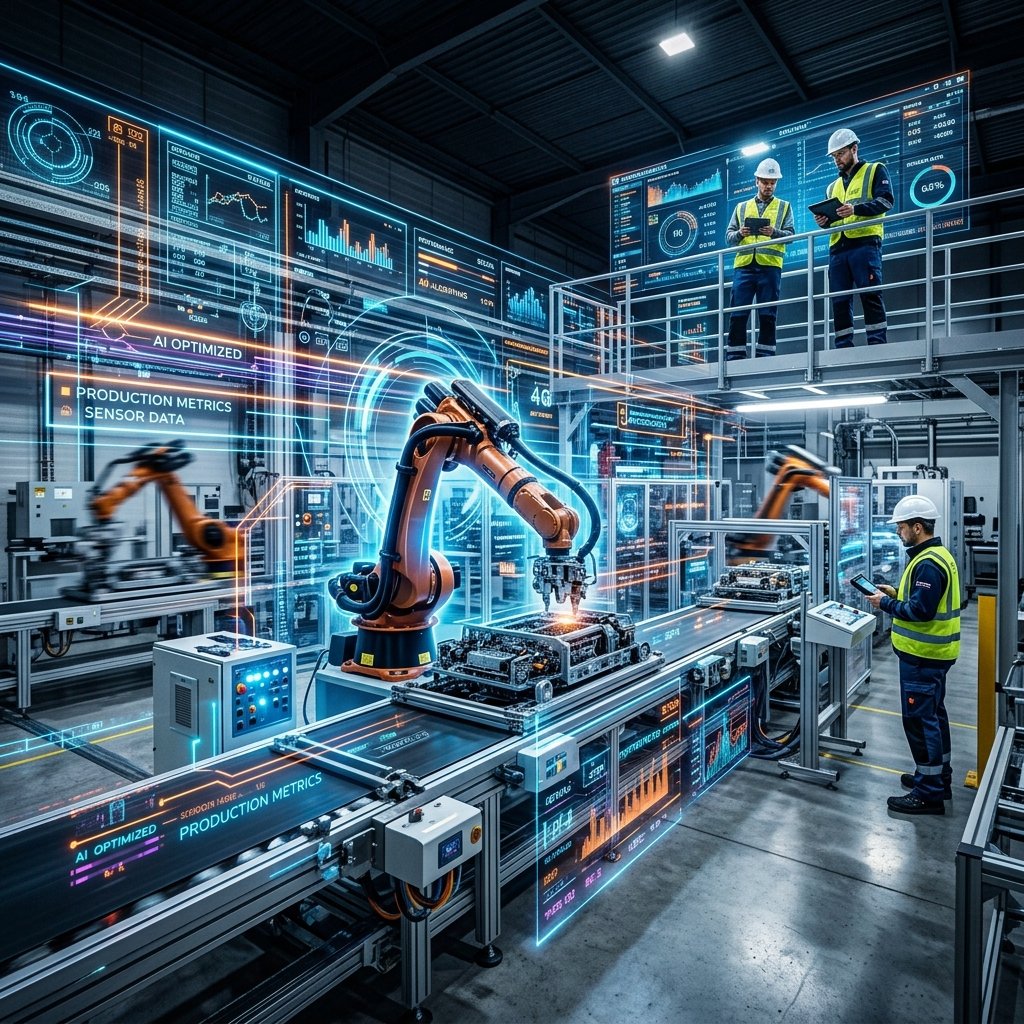
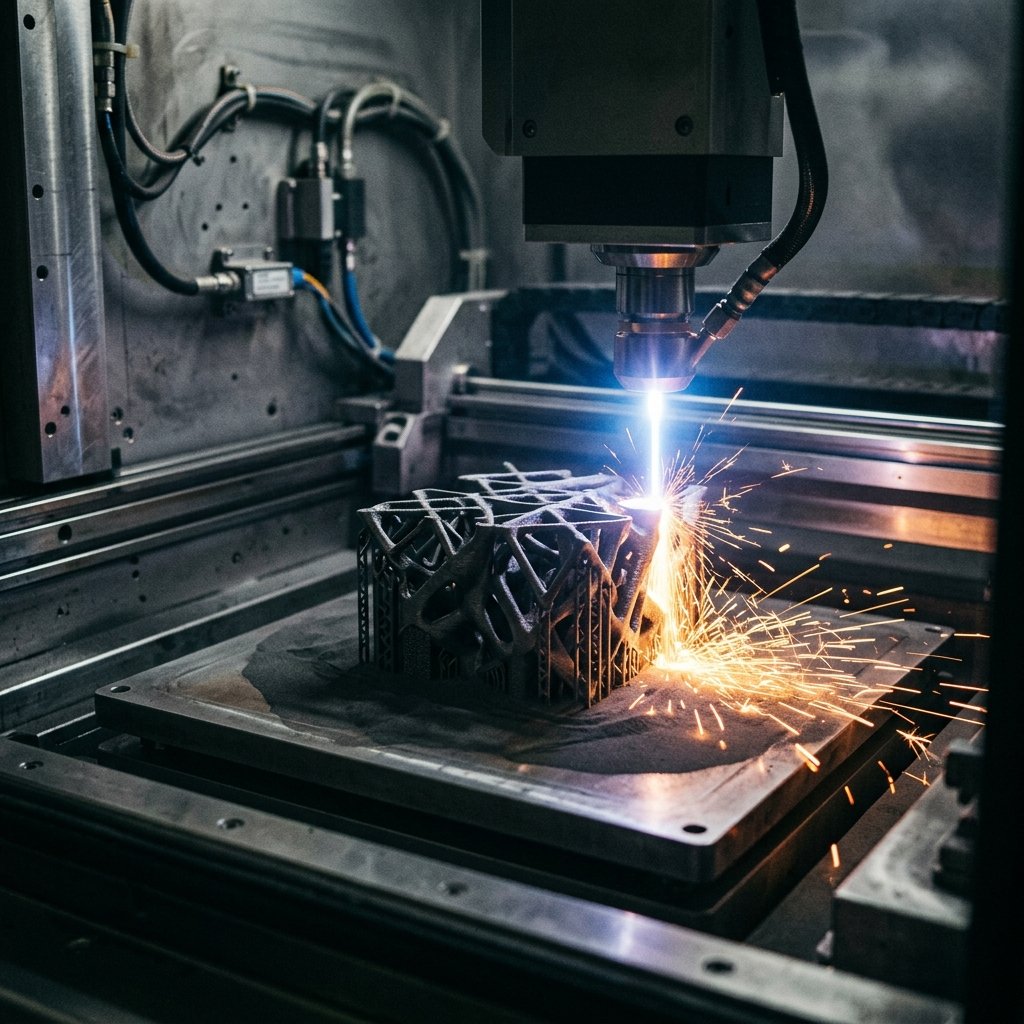
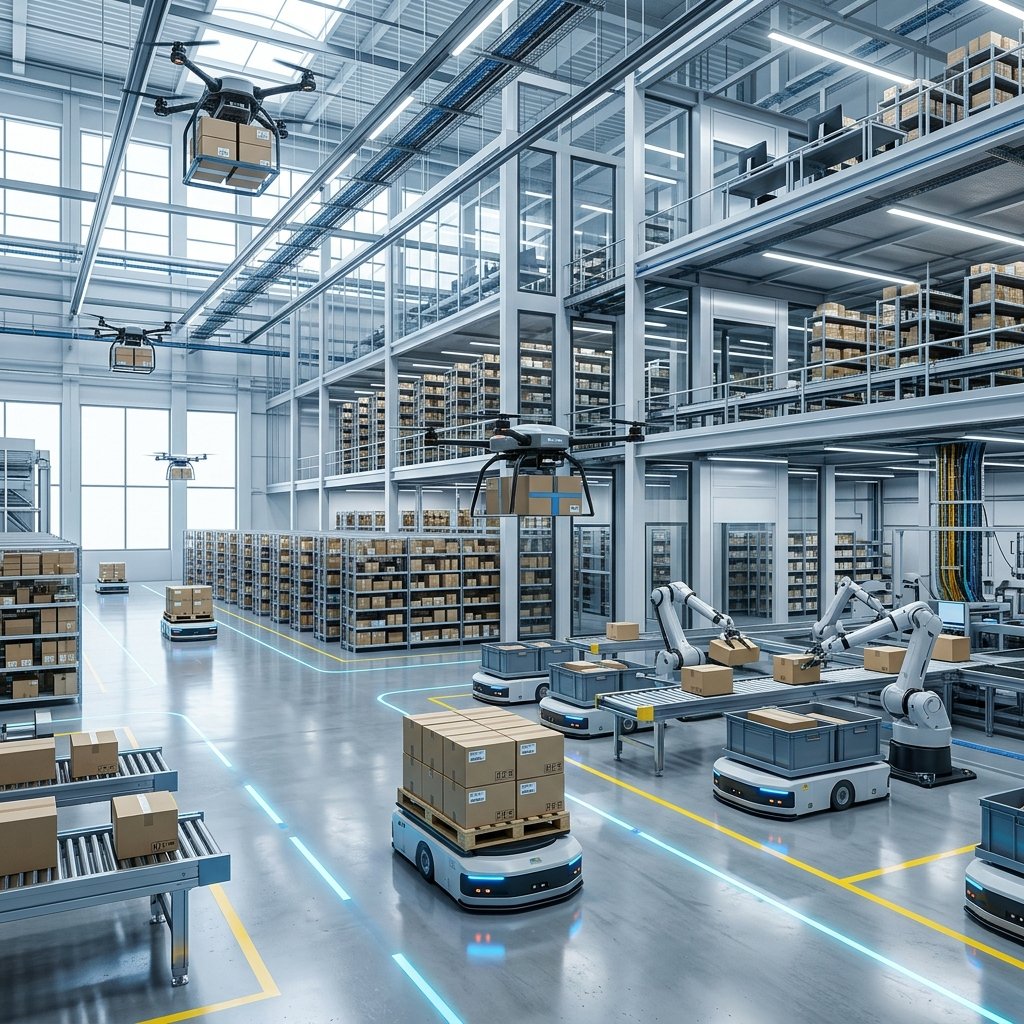
The manufacturing sector is undergoing a profound transformation. Long gone are the days when automation simply meant robotic arms performing repetitive tasks. Today, artificial intelligence (AI) is ushering in the era of true autonomous factories.
The Shift from Automated to Autonomous
While automated systems follow strict, pre-programmed rules, autonomous systems use AI and machine learning to analyze data, learn from it, and make independent decisions in real-time. This shift represents a fundamental change in how goods are produced.
The factory of the future won't just execute commands; it will anticipate problems, optimize workflows, and adapt to changing supply chain realities on the fly. Industrial leaders are beginning to view autonomous systems not as a cost-saving measure, but as a core competitive advantage.
1. Predictive Maintenance at Scale
One of the most immediate benefits of AI in the factory is predictive maintenance. By analyzing sensor data from machinery, AI models can predict when a component is likely to fail before it actually breaks down. This allows maintenance to be scheduled during planned downtime, eliminating costly unexpected halts in production.
Instead of routine check-ups that waste time and resources, maintenance teams are directed exactly where they are needed, when they are needed. This targeted approach has been shown to reduce overall maintenance costs by up to 30%.
2. Intelligent Supply Chain Integration
Autonomous factories do not exist in a vacuum. They are fully integrated with the broader supply chain ecosystem. When a global shortage of a specific component is detected, an autonomous factory can instantly adjust its production schedule to prioritize products that utilize available materials.
- Real-time adjustments: The system continuously communicates with suppliers to track incoming shipments.
- Dynamic routing: Logistics are managed on the fly to optimize for delivery times and fuel consumption.
- Inventory optimization: Warehouses operate with reduced stock, relying on just-in-time delivery managed by AI.
3. Human-Robot Collaboration (Cobots)
The rise of the autonomous factory doesn't mean the end of human workers. Instead, it signals the rise of collaborative robots, or "cobots". These machines are designed to work safely alongside human operators, handling the heavy lifting and repetitive tasks while humans handle quality control, complex problem solving, and strategic oversight.
By removing the physical strain and danger from many manufacturing jobs, cobots are helping to create a safer, more engaging workplace. Workers are upskilled to manage and maintain the AI systems, transitioning from manual laborers to system operators.
Looking Ahead
We are still in the early stages of this industrial revolution. As AI models become more sophisticated and sensor technology becomes cheaper and more ubiquitous, the capabilities of autonomous factories will only grow. The companies that embrace this technology today will be the industry leaders of tomorrow.